
Uterine Cancer Education Hub
Uterine cancer is Australia’s most commonly diagnosed gynaecological cancer and one of the fastest-growing cancers affecting women.
Every day, nearly 10 women in Australia are diagnosed with uterine cancer and almost two women lose their lives to the disease. Despite its growing impact, awareness remains low, with most women unaware of the signs, symptoms and risk factors.
This Education Hub provides trusted, evidence-based information about uterine cancer to help women recognise symptoms, understand their risk, access support and make informed decisions about their health.
Why Awareness Matters
Uterine cancer incidence has more than doubled over the past 25 years and is projected to continue rising.
While diagnoses are increasing across all age groups, the greatest increase is expected among women aged 25–44, with incidence projected to rise by around 60% by 2035.
Greater awareness of symptoms, risk factors and when to seek medical advice can support earlier diagnosis and improve outcomes.
What is Uterine Cancer?
Uterine cancer occurs when abnormal cells grow uncontrollably in the uterus (womb).
There are two main types of uterine cancer:
Signs and Symptoms
The most common symptom of uterine cancer is abnormal vaginal bleeding.
After menopause
Any vaginal bleeding after menopause should be investigated by a healthcare professional.
Before menopause
Signs and symptoms may include:
- Heavier than usual periods
- Bleeding between periods
- Changes to your menstrual cycle
- Periods that continue without a break
Other possible symptoms include:
- Persistent pelvic or abdominal pain
- Pain or difficulty when urinating
- Changes in bowel habits
- Unexplained weight loss
Experiencing these symptoms does not necessarily mean you have uterine cancer, but it is important to seek medical advice if they persist or are unusual for you.
Understanding Risk Factors and When to Seek Help
Anyone with a uterus can develop uterine cancer, but some factors can increase risk.
Research suggests that up to 60% of uterine cancer cases may be preventable through increased awareness, healthy lifestyle measures, and management of chronic health conditions.
Lived Experience
Behind every statistic is a person, a family and a community.
Throughout this hub, you will hear stories from women and families who have experienced uterine cancers. Their stories help raise awareness, encourage earlier help-seeking, and highlight the importance of research, support, and equitable care.
This Uterine Cancer Education Hub is dedicated to the memory of Simone Crerar, whose experience continues to inspire greater awareness, understanding and action to improve outcomes for women diagnosed with uterine cancers.

Research and Innovation
ANZGOG is Australia’s peak gynaecological cancer research organisation and is committed to improving outcomes for people diagnosed with all gynaecological cancers, including uterine cancers.
Through clinical trials, research and collaboration with clinicians, researchers and consumers, we are working to:
- Improve prevention and early detection
- Expand treatment options
- Advance precision medicine
- Improve survivorship and quality of life
- Address inequities in outcomes and access to care
This Education Hub translates the latest evidence and research into accessible information that can support informed decision-making.
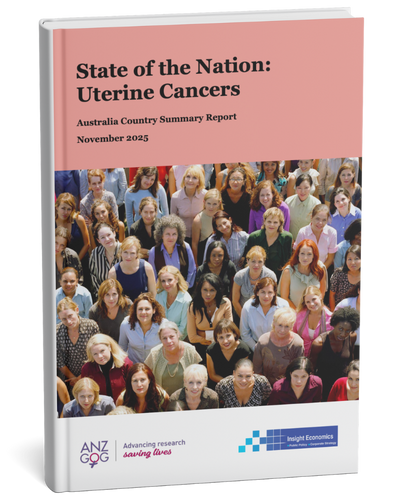
State of the Nation: Uterine Cancers in Australia
Australia’s first comprehensive national report on uterine cancers reveals the scale of this growing health challenge and identifies priority actions to improve outcomes.
The report calls for national action to:
- Improve awareness and prevention
- Reduce inequities in care
- Expand access to precision medicine
- Increase investment in research
- Improve support and survivorship services
Together, we can help reverse the rise of uterine cancers and improve outcomes for women across Australia.