ANZGOG helps shape first global consensus on cervical cancer trial
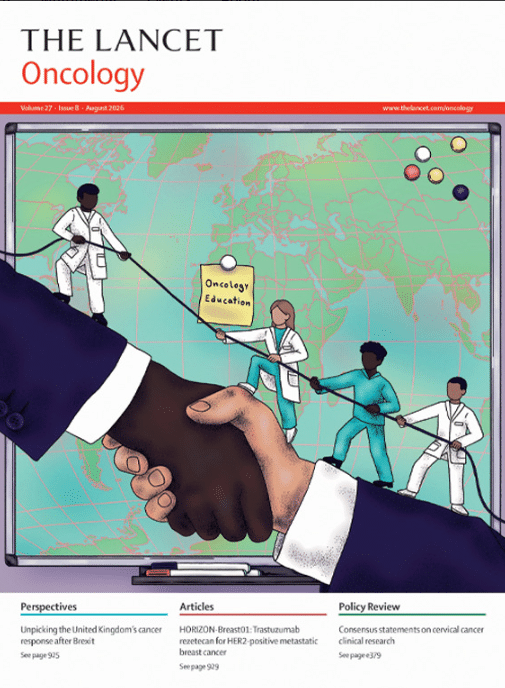
For the first time, clinical trial groups from around the world have agreed on how cervical cancer research should be designed and prioritised. The 16 consensus statements are now published in The Lancet Oncology.
ANZGOG is proud that members of our community helped bring this global consensus together:
- Professor Alison Brand, ANZGOG Board Director and co-author of the paper;
- Pathologist Lyndal Anderson, ANZGOG member;
- Biostatistician Mathias Bressel, ANZGOG member;
- John Andrews, ANZGOG Research Manager.
Their involvement means perspectives from Australia and Aotearoa New Zealand are part of the framework that will guide cervical cancer trials worldwide.
Why a shared roadmap matters
When trial groups ask different questions in different ways, results are hard to compare and progress slows. Low- and middle-income countries carry the highest cervical cancer burden, yet have not always had the opportunity to not only participate in clinical research, but also provide a strong voice in deciding what research is done.
Two days in Dublin, 16 statements
On 14 and 15 October 2024, GCIG convened its first Cervical Cancer Consensus Conference in Clinical Research in Dublin, Ireland. All 33 GCIG member groups took part, including ANZGOG, joined by patient advocates, young investigators, researchers from low- and middle-income countries, and the Cervical Cancer Research Network. Participants worked across four topic areas:
- diagnosis and staging
- early-stage disease
- locally advanced disease
- persistent or recurrent disease.
Through debate and discussion, they developed, refined and adopted 16 statements on how cervical cancer trials should be designed and which questions matter most. Consensus was reached on every statement. Participants also identified and documented areas of unmet need, where current evidence falls short.
What it means
Consensus statements won’t change treatment overnight. They help future trials ask the right questions in ways that can be compared and used across very different health systems, so evidence can reach every eligible person, wherever they live. GCIG plans a further conference within a few years, using these statements as its benchmark. At ANZGOG, we know that research saves lives. Global collaboration like this is how we turn evidence into better treatment and care for people facing gynaecological cancers.
Read the full paper in The Lancet Oncology.
ANZGOG – Gynaecological cancer research saves lives