
Australia’s National Gynaecological Cancer Roundtable Charts United Path Forward on Women’s Health
Sector leaders, government and women with lived experience unite in Canberra to accelerate evidence-based action, as diagnoses are set to rise 21 per cent over the next decade
Every day in Australia, 19 women are diagnosed with a gynaecological cancer and six will die from the disease, with diagnoses projected to rise 21 per cent over the next decade.
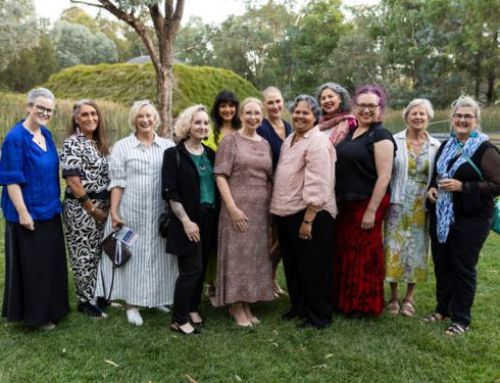
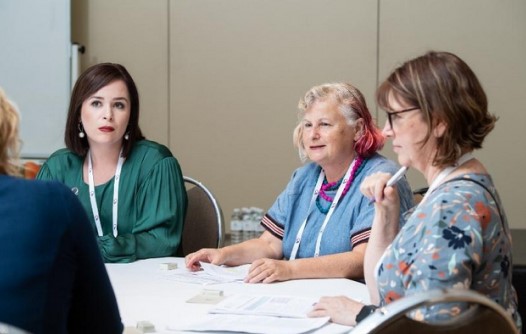
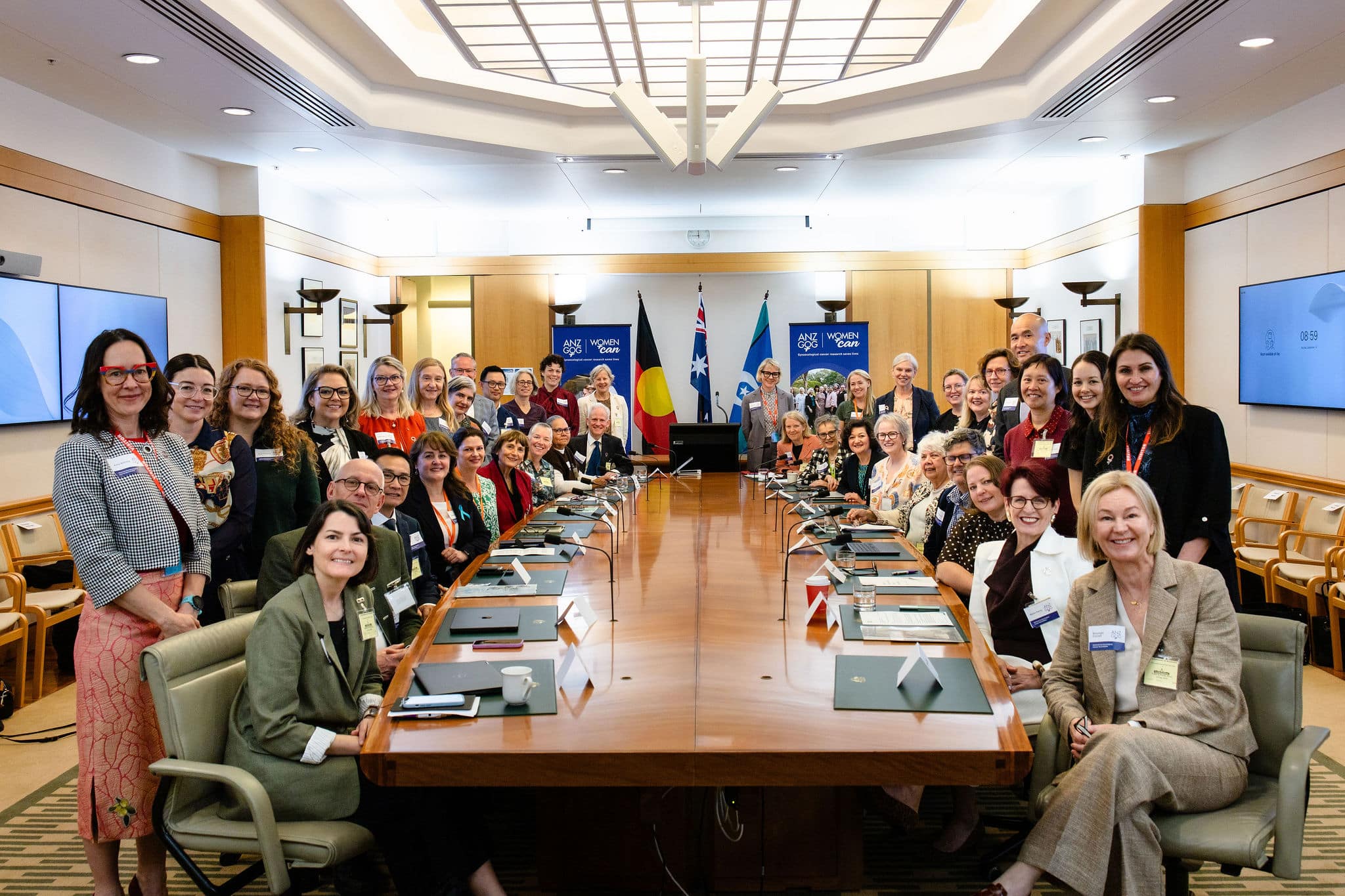
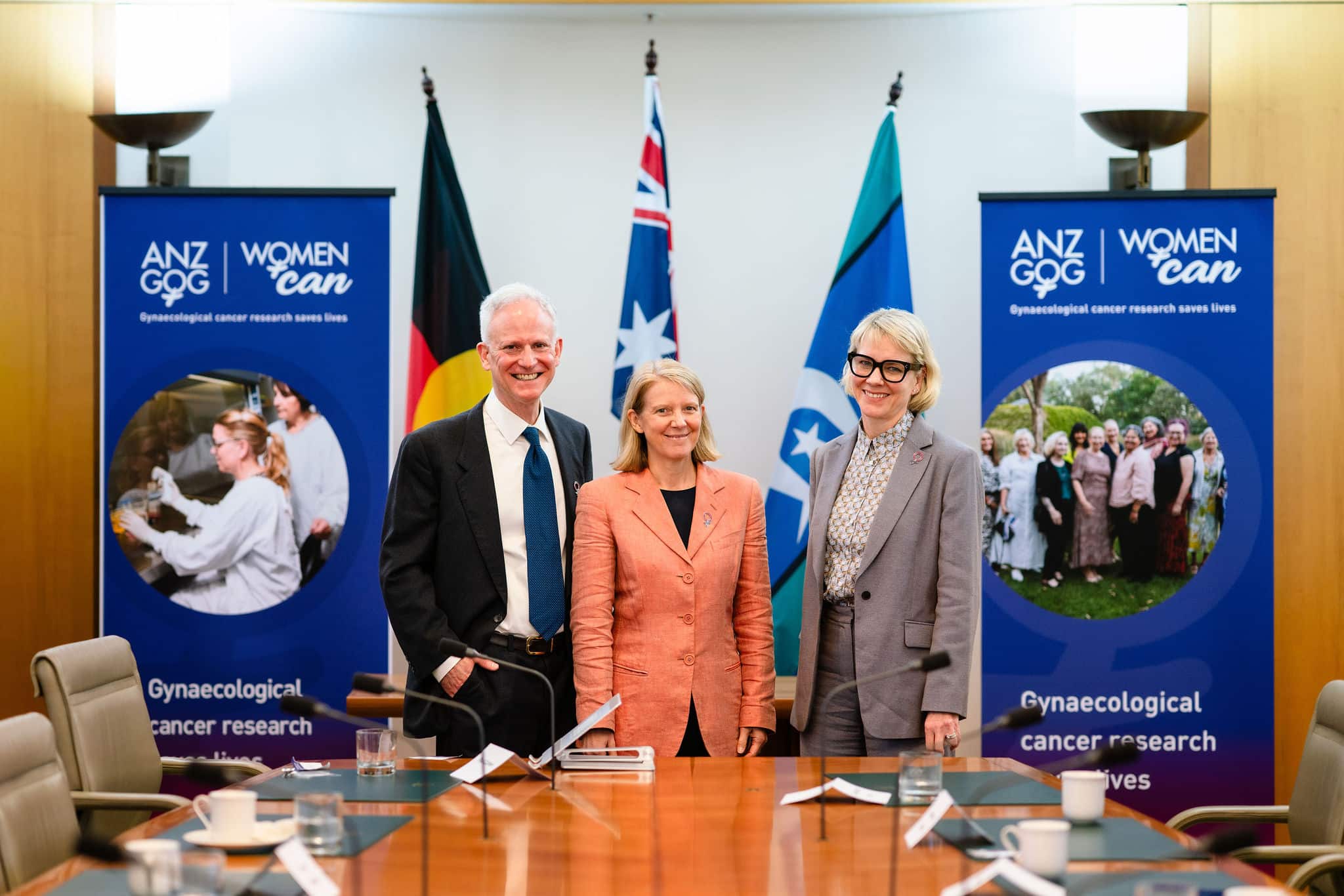
Today, more than 40 leaders from government, research, healthcare and women with lived experience will gather in Canberra for Australia’s National Gynaecological Cancer Roundtable, convened by the Australia New Zealand Gynaecological Oncology Group (ANZGOG) and with The Hon Rebecca White MP, Assistant Minister for Women, Assistant Minister for Health and Aged Care, Assistant Minister for Indigenous Health, providing opening and closing addresses.
The Roundtable will focus on where collective action, research and policy can make the greatest difference across prevention and early diagnosis, and living with cancer, with discussions guided by three principles: Equity, Evidence and Enablers.
Despite advances in cancer research and treatment, gynaecological cancers have historically received disproportionately low levels of research investment. More than half (55 per cent) are rare or less common cancers, many with limited treatment options and significant gaps in early detection, treatment and support.
The Roundtable will ask where the greatest research and evidence gaps remain, where evidence could be translated more effectively into clinical practice, and what policy and system changes could accelerate progress and improve equity.
Central to the day are the voices of women who have lived through a gynaecological cancer diagnosis. Their insights will sit alongside clinical and research evidence in shaping the Roundtable’s priorities, ensuring today’s outcomes reflect not only what the evidence shows, but what women and their families have actually experienced navigating diagnosis, treatment and survivorship.
Professor Clare Scott AM, Chair of ANZGOG, said the Roundtable was an opportunity to shine a light on the gaps that have held back progress in gynaecological cancer for too long.
“Today marks a turning point. It’s an incredible milestone to have government, researchers, clinicians and women with a lived experience together in one room, united by one goal: to close the gaps in evidence, treatment and support for gynaecological cancer in Australia. We now have the evidence; the expertise and the collective will to rewrite what’s possible and that is what unites everyone here today”
The Hon Rebecca White MP, Assistant Minister for Women, Assistant Minister for Health and Aged Care, and Assistant Minister for Indigenous Health, said the Roundtable reflected the Government’s commitment in supporting women’s health.
“Every woman diagnosed with a gynaecological cancer deserves the best possible care, treatment and support. Today is about bringing people together including women with lived experience to identify where we can do better and make sure the evidence translates into real improvements for women. This builds on our Government’s commitment to women’s health, making sure we listen to women and keep working towards better care and better outcomes. ”
The Roundtable will seek to build consensus on the priority actions needed to accelerate progress in gynaecological cancer, creating a shared direction for the sector and a pathway to turn priorities into action.
Professor Scott said the Roundtable was about building momentum beyond a single day.
“The Roundtable is not an end point. It is a starting point for united action. By agreeing on the priorities that matter most, and identifying the evidence, investment, policy and system changes needed to progress them, we can create a stronger foundation for better outcomes and, ultimately, saving lives.”
United action. Shared priorities. Better outcomes.
Key facts on gynaecological cancer in Australia
- Five main types: ovarian, uterine/endometrial, cervical, vulvar and vaginal cancer, spanning more than 230 morphological subtypes.
- 19 women diagnosed and 6 deaths every day; diagnoses projected to rise 21 per cent over the next decade.
- 55 per cent of gynaecological cancers are rare or less common, with limited treatment options and low survival rates.
- Ovarian cancer: the most lethal gynaecological cancer, with a five-year survival rate of 49 per cent — unchanged from all-cancer survival in 1975. Survival falls to 29 per cent when diagnosed at an advanced stage (67 per cent of cases).
- Uterine cancer: the fastest-growing gynaecological cancer, up 13.8 per cent between 2019–2024 and more than doubled over 25 years. Cases are projected to rise ~60 per cent by 2035. Rising rates of overweight and obesity are a substantial driver.
- Vulvar cancer: five-year survival of 74.7 per cent when caught early falls to just 19 per cent when diagnosis is delayed, often due to embarrassment or stigma.
- Vaginal cancer: one of the lowest survival rates of all gynaecological cancers is at 53.6 per cent.
- Disparities: women in regional areas are 1.3 times more likely to be diagnosed with, and 1.6 times more likely to die from, uterine cancer; First Nations women are 1.5 times more likely to be diagnosed with, and 3.4 times more likely to die from, cervical cancer; women from lower socioeconomic backgrounds face 1.7 times higher diagnosis and 2.1 times higher mortality from uterine cancer.
- Women diagnosed with uterine, vaginal, vulvar and cervical cancers currently lack access to dedicated specialist patient support.