
Gynaecological Cancers in Australia
Every day, 19 women in Australia are diagnosed with a gynaecological cancer – and six lose their lives. These cancers remain among the most under-recognised, complex, and underfunded health challenges affecting women.
Gynaecological cancers include uterine, ovarian, cervical, vulvar and vaginal cancers. Many of these cancers are diagnosed late, often due to vague symptoms or limited awareness. They frequently result in aggressive treatment, reduced quality of life, and significant emotional and financial burden.
Yet with the right awareness, research and support, we can change outcomes for thousands of women across the country.
This page brings together the latest data, stories and insights from ANZGOG’s 2025 national report.
“ Emotionally I struggled and still struggle to this day with the trauma of it all. Sometimes it feels like it couldn’t possibly have happened to me.”
Kristy, diagosed with cervical cancer
A National Health Challenge
Gynaecological cancers are the third most common group of cancers affecting Australian women – but they remain under-recognised, underfunded, and underdiagnosed.
More Than a Statistic
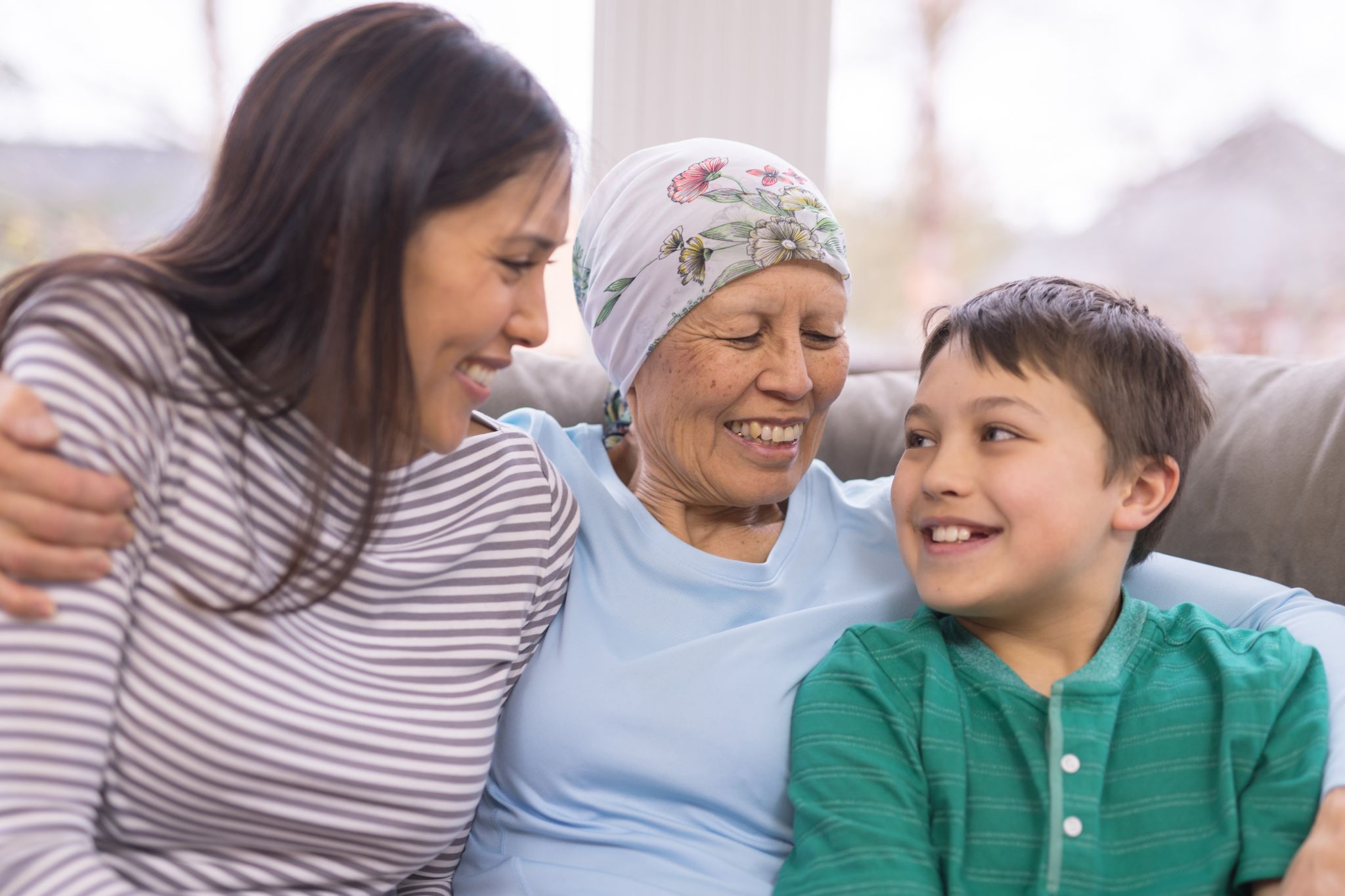
These cancers deeply affect every part of life — from physical health and fertility, to mental health, finances, and family wellbeing.
Many women experience delayed diagnosis, limited treatment options, and isolation during and after treatment. The impact ripples through partners, children, and communities.
And for First Nations women, those in rural or regional areas, and women from disadvantaged backgrounds — the outcomes are even worse.
Over 42,900 children are expected to lose their mothers to these cancers this decade.
“ I had a ticking time bomb in my pelvis, meanwhile, my children were 11, 13 and 14. And I was determined to fight for more time with them.”
Ali, diagosed with gynaecological cancer
Where There’s Research, There’s Hope
Precision medicine is changing cancer care, tailoring treatments to each tumour’s unique profile. For gynaecological cancers, the potential is huge.
But right now, fewer than 1 in 10 women access molecular profiling.
Despite their complexity and poor outcomes, gynaecological cancers have historically received significantly less funding than other cancer types.
With more funding, more research, more trials, and more support, we can personalise care, increase survival, and give every woman a better chance.
Research saves lives. We just need to fund it.
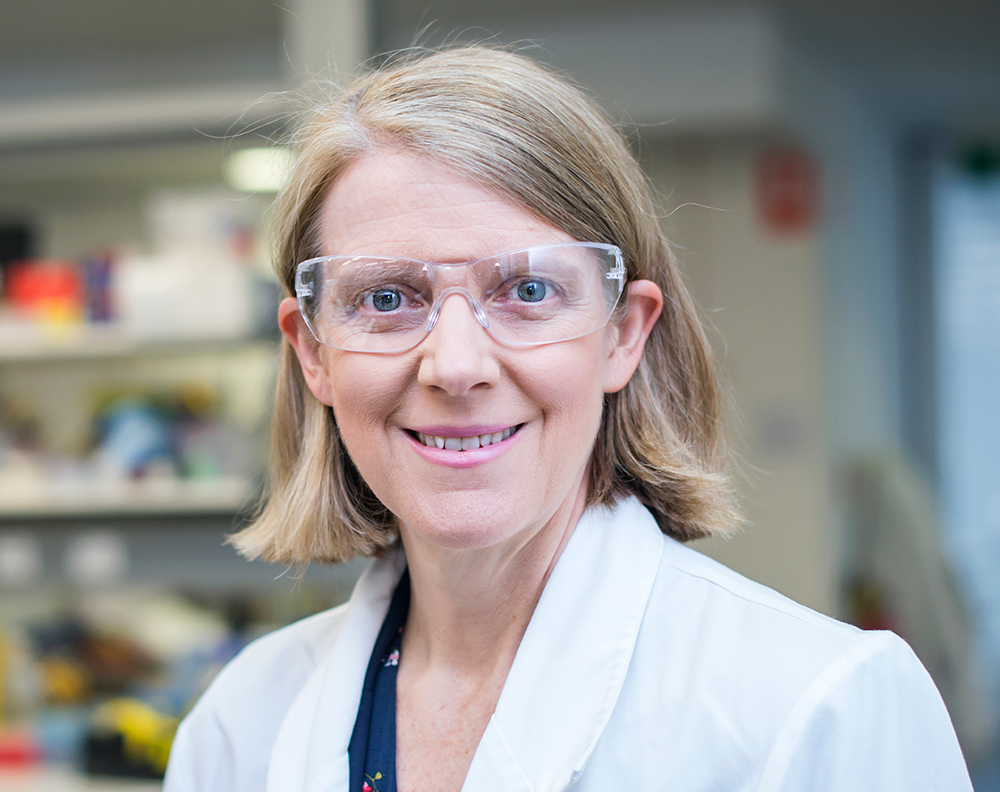
“The only way this will change is through scientific research… My hope is that things are different for women in the future.”
Alex, diagosed with uterine cancer
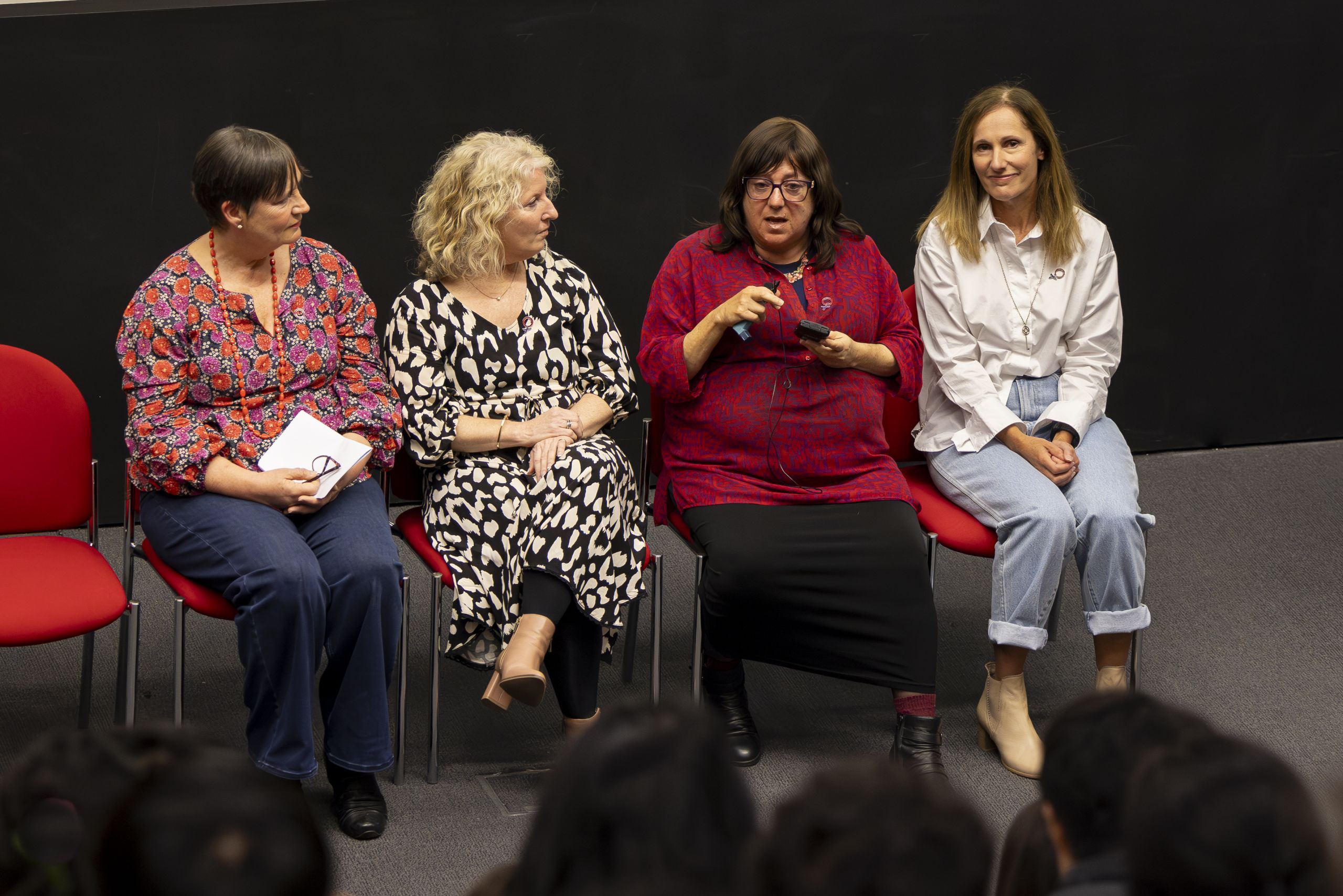
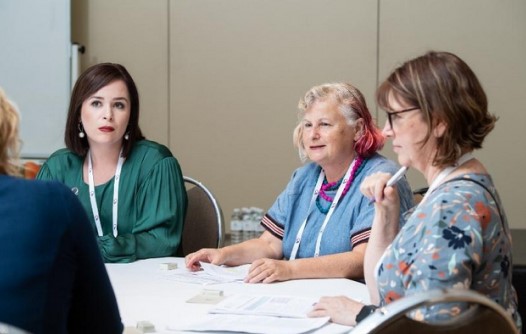
Use your lived experience to make a difference
Do you or somebody that you know have a lived experience of gynaecological cancer?
ANZGOG’s Community Engagement Program delivers opportunities for people with lived experience of gynaecological cancers to contribute meaningfully and fosters a groundswell of action through our volunteers, to impact outcomes for women now and in the future.