

ANZGOG’s recruiting portfolio is currently larger than it ever has been before. Our portfolio covers a wide range of therapies, including immunotherapy, surgical interventions, exercise interventions and our first ever preventative study, STICs and STONEs. ANZGOG’s program of trials is further complimented by the wide variety of support research currently being developed in our research pipeline.
A Phase III randomised, controlled trial of exercise during chemotherapy for patients commencing first line treatment for ovarian cancer
Prof Sandi Hayes
Initiated in Australia by ANZGOG in collaboration with the NHMRC CTC and Griffith University
Cancer Australia/Cancer Council Australia
Recruitment support from World Cancer Research Fund (WCRF)
Cancer Australia
Planned Sample Size: 500
Planned Number of Sites: 9
Accrual: 268 patients | 8 sites

Benefits from exercise may be accrued through improved physical well-being, reduced treatment-related side effects, better treatment adherence, better overall QoL, lower associated health care costs, and perhaps even longer survival.
However, there is a lack of evidence and no randomised trials of exercise interventions in ovarian cancer. Observational studies are insufficient to determine cause and effect; randomised trials are needed to provide level one evidence and change clinical practice.
This trial will identify whether incorporation of an exercise program into the current standard of care for women undergoing chemotherapy for primary ovarian cancer is a clinically effective and cost-effective way to improve health outcomes in this patient group.
Importantly, should it prove cost-effective, translating findings into practice is feasible, since we already have a work-force trained in exercise prescription for special populations (AEPs) and a national funding system that supports the delivery of exercise as a form of treatment (through the Medicare-funded Chronic Disease Care Plan). Findings from this work will address gaps in the literature currently preventing the translation of exercise into standard cancer care.
An international phase III randomised study to evaluate the efficacy of maintenance therapy with olaparib and cediranib or olaparib alone in patients with relapsed platinum-sensitive ovarian cancer following a response to platinum-based chemotherapy
Prof Linda Mileshkin
University College London (UCL)-led international trial; ANZGOG lead group for Australia and New Zealand in collaboration with the NHMRC CTC
Cancer Australia
UCL, U.K.
Planned Sample Size: 110 (ANZ) | 618 (Globally)
Planned Number of Sites: 19 ANZ
Accrual: 46 patients | 18 sites

The goal of this international, investigator-initiated, randomised, placebo controlled, double blind Phase III trial is to improve outcomes for patients with recurrent ovarian cancer by investigating the addition of cediranib to olaparib maintenance therapy following completion of platinum-based chemotherapy for platinum-sensitive relapsed ovarian, fallopian tube or primary peritoneal cancer.
A Phase II randomised trial comparing immune priming by low dose oral cyclophosphamide plus olaparib versus priming by olaparib alone, prior to combination therapy with olaparib plus durvalumab, versus single agent olaparib alone, in asymptomatic platinum-sensitive recurrent ovarian, fallopian tube or primary peritoneal cancers with homologous recombination repair defects
Prof Clare Scott
Assoc Prof Chee Lee (Co-Chair), Prof Michael Friedlander AM (Co-Chair)
Prof Magdalena Plebanski
Initiated in Australia by ANZGOG in collaboration with the NHMRC CTC, RMIT and WEHI
AstraZeneca
Planned Sample Size: 114
Planned Number of Sites: 15
Accrual: 44 patients | 15 sites

The SOLACE2 trial is a multi-centre randomised Phase II investigator-initiated trial with the aim of investigating different strategies to prime the immune system to enhance response to olaparib in women with asymptomatic platinum-sensitive recurrent ovarian, fallopian tube or primary peritoneal high grade serous cancers at the time of the first CA125 serum marker rise. Women are randomised to receive either olaparib or olaparib plus oral cyclophosphamide for three months before being treated with olaparib and durvalumab. A control arm of olaparib only treatment will be used to examine for comparative differences. The study will recruit women with and without BRCA mutations. The primary endpoint of this trial is progression-free survival, with other secondary and extensive translational endpoints.
A Phase II clinical trial of the PARP inhibitor, olaparib, in HR-deficient metastatic breast and relapsed ovarian cancer in patients without germline mutations in BRCA1 and BRCA2
Dr Katrin Sjoquist
Initiated in Australia in collaboration with Breast Cancer Trials (BCT), ANZGOG, and the Genomic Cancer Clinical Trials Initiative (GCCTI)
Cancer Australia
Planned Sample Size: 60
Planned Number of Sites: 11
Accrual: 10 patients | 10 sites

This study is testing olaparib, in homologous recombination (HR) deficient metastatic breast and relapsed ovarian cancer in patients who do not have hereditary mutations in breast cancer susceptibility gene 1 and gene 2 (BRCA1 and BRCA2).
All study participants will take olaparib 300 mg orally twice daily until disease progression or unacceptable toxicity. Assessments for safety and efficacy will be followed up for a minimum of six months. Olaparib is a type of drug called a PARP inhibitor. It has been approved overseas and in Australia to treat ovarian and breast cancer in women with inherited changes in their BRCA1 or BRCA2 genes.
There is strong evidence to suggest that olaparib will also work in people who do not have any inherited changes in BRCA genes, but whose cancers have homologous recombination (HR) deficiency. Cancer cells with HR deficiency have defects in their ability to repair themselves and are not able to keep their DNA healthy.
The purpose of this study is to assess whether olaparib is effective in treating advanced ovarian and breast cancer in people who do not have inherited changes in their BRCA genes, but whose cancers have HR deficiency.
A phase II study of durvalumab (MEDI14736) and tremelimumab in combination with neoadjuvant carboplatin and paclitaxel in newly diagnosed women with advanced stage high grade serous ovarian, fallopian tube and peritoneal cancers
Assoc Prof Tarek Meniawy
Initiated in Australia by ANZGOG
AstraZeneca
OASIS Initiative
Planned Sample Size: 75
Planned Number of Sites: 10
Accrual: 63 patients | 10 sites

This study will evaluate the safety and efficacy of durvalumab and tremilimumab in combination with first line chemotherapy in advanced ovarian cancer. Importantly, the study will have a strong translational backbone referred to as TRiPRIME, aiming to evaluate the immune, histopathological and molecular correlates of response to the chemotherapy-immunotherapy combination.
It includes mandatory pre-treatment biopsies to allow comprehensive molecular classification, network analysis from gene expression data, immune infiltrate assessment, peripheral blood +/- ascites for analysis of immune markers by flow or mass cytometry, and circulating tumour DNA. The ultimate aim is to optimise the selection of patients who are more likely to benefit from immunotherapy in combination with standard platinum-based chemotherapy and this study will lay the foundations for this.
A Phase II study of intravenous vinorelbine in patients with relapsed platinum resistant or refractory C5 high grade serous, endometrioid, or undifferentiated primary peritoneum, fallopian tube or ovarian cancer
Prof Linda Mileshkin
National University Hospital, Singapore (NUHS)-led international trial, ANZGOG lead group for Australia and New Zealand
OASIS Initiative, Baker Foundation Grant
Planned Sample Size: 15 (ANZ) | 36 (Globally)
Planned Number of Sites: 7 ANZ
Accrual: 0 patients | 4 sites
Vinorelbine is a chemotherapeutic agent that is currently used for treatment of lung and breast cancer. Recent research has identified four molecular sub-types of high grade serous ovarian cancer: C1, C2, C4 and C5. The C5 subgroup has been found to be relatively resistant to the platinum chemotherapy drugs typically used to treat ovarian cancer, with a poor prognosis compared with the other subgroups.
In laboratory studies, vinorelbine has been shown to slow the growth of tumour cells belonging to the C5 subgroup more than tumour cells from other subgroups. In view of this promising data, this clinical study is being carried out to find out if treatment with vinorelbine will have beneficial effect in patients with relapsed ovarian, fallopian tube or peritoneal cancer belonging to the C5 subgroup. In addition, we will also study how specific changes and molecular markers in blood and tumour specimens from women enrolled on the trial may be used to predict the chance of benefiting from study treatment.
A randomised phase II double-blind placebo-controlled trial of acetylsalicylic acid (Aspirin) for prevention of ovarian cancer in women with BRCA1 and BRCA2 mutations
Prof Kelly-Anne Phillips
Canadian Cancer Trials Group (CCTG)-led international trial, ANZGOG lead group for Australia and New Zealand in collaboration with the NHMRC CTC
NHMRC Clinical Trial Centre Project Grant
Support from Canadian Cancer Trials Group (CCTG)
Planned Sample Size: 70 (ANZ) | 414 (Globally)
Planned Number of Sites: 6 ANZ
Accrual: 1 patient | 4 sites

Women with a BRCA1 or BRCA2 gene abnormality are at increased risk of ovarian and fallopian tube cancers and often have their ovaries and tubes removed to prevent cancer. Microscopic cancers are sometimes seen at the time of this surgery. Some studies have suggested aspirin might reduce the risk of developing ovarian and fallopian tube cancers, but this is uncertain because the design of the previous studies was not optimal.
The STICs and STONEs study will assign women with a BRCA1 or BRCA2 gene abnormality to daily aspirin or placebo for at least 6 months and no more than 24 months before their preventive surgery. We expect to see fewer cancers at the time of preventive surgery in the group of women that is assigned to aspirin compared with those assigned placebo.
The study will provide a better understanding of how ovarian and fallopian tube cancers start and whether aspirin might be a useful prevention agent.
Testing Individual Interventions to Optimize Perioperative Care in Ovarian Cancer Surgery
Assoc Prof Alison Brand
Initiated in Australia by ANZGOG in collaboration with the NHMRC CTC
Australian Society of Gynaecologic Oncologists (ASGO) Grant
ANZGOG Fund for New Research Grant
Planned Sample Size: 60
Planned Number of Sites: 6
Accrual: 1 patient | 4 sites


Enhanced recovery after surgery (ERAS) is a multimodal perioperative pathway designed to achieve early recovery after major surgery by reducing physiological perioperative stress and organ dysfunction. By targeting factors that may delay recovery after surgery such as prolonged perioperative fasting, delayed mobilisation and use of bowel prep and utilising interventions such as avoidance of opioids, early mobilisation and early feeding, we enable patients to regain normal function quicker, spend less time in hospital and minimize the likelihood of complications. ERAS interventions have been widely studied in colorectal surgery and guidelines for gynaecologic oncology procedures have also been published. However, most of the interventions suggested have not been studied extensively in ovarian cancer patients and those that have, have weaknesses in their study design. Surgery for advanced ovarian cancer is complex and often involves multiple procedures including bowel resection and upper abdominal surgery. Consequently, it may be associated with high risk of peri- and postoperative complications and prolonged hospital stay. Of all gynaecological cancer patients, patients with advanced ovarian cancer are likely to benefit most from ERAS interventions. The aim of this proof of concept study is to assess whether two specific ERAS interventions - the preoperative administration of a carbohydrate-rich drink and the pain medication pregabalin given prior to start of anaesthesia - are safe, improve wellbeing and hasten recovery after surgery in ovarian cancer patients. If successful, this study will generate preliminary data to support the development of an international, multicentre, randomised trial to reliably determine the feasibility, activity and effectiveness of ERAS interventions in advanced ovarian cancer.
A Phase II, signal-seeking trial of the clinical benefit rate associated with pamiparib in subjects with germline or somatic BRCA1/2 high grade serous ovarian cancer or carcinosarcoma who have progressed on P-gp substrate chemotherapy or PARP inhibitors with the presence of an ABCB1 fusion and the absence of a BRCA1/2 reversion
Dr Ali Freimund
Initiated in Australia by ANZGOG
BeiGene
OASIS Initiative, Baker Foundation Grant
Perpetual Philanthropic Grant
Planned Sample Size: 40 (200 to be screened)
Planned Number of Sites: 7
Accrual: 0 patients | 5 sites

High-grade serous ovarian cancer (HGSOC) is the most common type of ovarian cancer and is associated with poor survival. Research has identified a subgroup of HGSOC that has developed resistance to treatment because of abnormalities in genes that develop after exposure to chemotherapy. These gene abnormalities can now be detected in patients that are likely to be resistant to certain chemotherapies or oral PARP inhibitors (PARPi) through blood tests and tumour biopsies or ascitic fluid. The PRECISE study is the first study to select a personalised treatment for HGSOC patients with BRCA1/2 mutations using a new PARPi called pamiparib based on gene tests for patients with the hope to improve patient outcomes.
A Phase II signal-seeking trial of adavosertib (AZD1775) targeting recurrent high grade serous ovarian cancer (HGSC) with cyclin E1 (CCNE1) over-expression with and without gene amplification
Dr George Au-Yeung
Initiated in Australia by ANZGOG
AstraZeneca
Planned Sample Size: 64 (350 to be screened)
Planned Number of Sites: 10
Accrual: 7 patients | 3 sites

IGNITE is a Phase II signal-seeking trial of adavosertib (AZD1775), an oral WEE1 kinase inhibitor, targeting recurrent platinum resistant high grade serous ovarian cancer with cyclin E1 over-expression with and without gene amplification. The trial opened to recruitment in January 2020, and is due to open at 10 planned sites.
Identifying factors which predict for health-related quality of life deficits and increased symptom burden in women who have been treated for endometrial cancer
Prof Linda Mileshkin
Initiated in Australia by ANZGOG in collaboration with Peter MacCallum Cancer Centre
Peter MacCallum Cancer Foundation Grants 2019
Planned Sample Size: 200-500
The EmQUEST study will aim to identify factors which predict for health-related quality of life deficits and increased symptom burden in women who have been treated for endometrial cancer. We know that after treatment for endometrial cancer some women can have a number of unique health needs, which can be difficult to cope with. We hope to gather responses from women in Australia and abroad, to gain a meaningful cross-sectional assessment of the issues that most affect women who have been treated for endometrial cancer. This will help us to improve treatments, identify women most at risk of significant side effects and plan better services to address unmet needs.
Phase III double-blind randomized placebo controlled trial of atezolizumab in combination with paclitaxel and carboplatin in women with advanced/recurrent endometrial cancer
Dr Yoland Antill
MaNGO-led international trial; ANZGOG lead group for Australia and New Zealand in collaboration with the NHMRC CTC
MaNGO
Planned Sample Size: 80 (ANZ) | 550 (Globally)
Planned Number of Sites: 19 ANZ

The AtTEnd clinical trial is for women with advanced endometrial cancer (Stage IV or Stage III if surgery is not possible) and will assess whether the use of the immune therapy atezolizumab is of additional benefit to our current first line chemotherapy combination (carboplatin and paclitaxel). The trial is a Phase III study with two separate arms: two thirds of women will receive the additional immune therapy and one third will receive a placebo infusion. Neither the patient nor their treating doctor will know which arm of the study she has been randomised to, which is known as a blinded randomisation.
For most women with endometrial cancer, immune therapy alone is not an effective way of treating endometrial cancer. However by adding chemotherapy this may improve the chance of immune therapy stimulating the body’s own immune system to fight and destroy the cancer cells.
A randomised study comparing Hyperthermic and Normothermic intraperitoneal chemotherapy following interval cytoreductive surgery for stage III epithelial ovarian, fallopian tube and primary peritoneal cancer
Assoc Prof Rhonda Farrell
Initiated in Australia by ANZGOG in collaboration with the NHMRC CTC
Medical Research Future Fund (MRFF) - Clinical Trials Activity (Rare Cancers, Rare Diseases and Unmet Need) – Reproductive Cancers Grant
Planned Sample Size: 80
Planned Number of Sites: 5

HyNOVA is a clinical trial comparing the effect of heated chemotherapy given into the abdominal cavity at a temperature of 42°C (HIPEC) to that given at body temperature of 37°C (NIPEC) at the time of surgery to women with advanced cancer of the ovary, fallopian tube or peritoneum. A recent study showed better survival in this group after treatment with HIPEC compared with no HIPEC. However, oncologists remain undecided about the potential benefit and harm of applying heat to the chemotherapy.
The ADELE study: Adjuvant Tislelizumab plus chemotherapy after post-operative pelvic chemoradiation in high risk endometrial cancer
Prof Linda Mileshkin
Initiated in Australia by ANZGOG in collaboration with the NHMRC CTC
Medical Research Future Fund (MRFF) - Clinical Trials Activity (Rare Cancers, Rare Diseases and Unmet Need) – Reproductive Cancers Grant
Planned Sample Size: 135
Planned Number of Sites: 23
This clinical trial seeks to improve outcomes for women with high-risk endometrial cancer, who have a significant risk of relapse after standard post-operative treatment with chemotherapy & radiotherapy. The trial will find out if relapse rates can be lowered by adding immunotherapy to current standard therapy. Women will be randomly assigned to receive the new treatment combination or existing standard treatment, then followed up to see if outcomes are improved and what side-effects occur.
PARAGON-II: Phase 2 basket study of an ARomatase inhibitor plus PI3KCA inhibitor or CDK4/6 inhibitor in women with hormone receptor positive recurrent/metastatic Gynaecological Neoplasms
Assoc Prof Chee Khoon Lee
Initiated in Australia by ANZGOG in collaboration with the NHMRC CTC
Medical Research Future Fund (MRFF) - Clinical Trials Activity (Rare Cancers, Rare Diseases and Unmet Need) – Reproductive Cancers Grant
Planned Sample Size: 182
Planned Number of Sites: 15

PARAGON-II is a trial for women with gynaecological cancers whose tumours are potentially treatable with hormonal treatment. These patients must have cancers that have recurred or metastasised. For patients whose cancers have a genetic mutation called PIK3CA, they will be treated with letrozole hormonal treatment and alpelisib that targets PI3KCA. For those without PIK3CA mutation, these patients will be treated with letrozole and ribociclib, another new oral targeted treatment.
A phase II randomised clinical trial of Mirena® ± metformin ± weight loss intervention in patients with early stage cancer of the endometrium
Prof Andreas Obermair
Initiated in Australia in collaboration with the Queensland Centre for Gynaecological Cancer and ANZGOG
Lord Mayors Community Trust
UQ Academic Title Holders Grant
Cherish Women’s Cancer Foundation
RBWH Foundation
Cancer Australia
Accrual: 165 patients | 15 sites
A multicentre phase II randomised trial of durvalumab (MEDI4736) versus physician’s choice chemotherapy in recurrent ovarian clear cell adenocarcinomas
Prof Michael Friedlander AM
National University Hospital, Singapore (NUHS) led international trial, ANZGOG lead group for Australia and New Zealand
NUHS
OASIS Initiative
Accrual: 9 patients | 3 sites
Excisional treatment in women with cervical adenocarcinoma-in-situ (AIS): a prospective randomised controlled non-inferiority trial to compare AIS persistence/recurrence after loop electrosurgical excision procedure to cold knife cone biopsy.
Dr Paul Cohen
Initiated in Australia by St John of God Subiaco
ANZGOG Fund for New Research Grant
Accrual: 40 patients | 7 sites

A focus of the past year for TR-ANZGOG has been to finalise key principles, policies and processes to ensure robust foundations for TR-ANZGOG. A facilitated workshop held at Sydney Novotel, November 2019, was well-attended by a balanced representation of clinical, scientific, operational, ethical, consumer and legal expertise from across Australia and New Zealand. The establishment of three working groups to provide further expertise in specialties of ethics, data management and biobanking was a valuable, additional outcome.
As the ANZGOG trial SOLACE2 approaches 50% patient recruitment, TR-ANZGOG management of the translational research component has provided an opportunity to test processes and identify and implement alternate solutions successfully. COVID-19 has also highlighted the potential value of TR-ANZGOG Network Laboratories to process samples locally for optimal biospecimen integrity and cost efficiency.
A TR-ANZGOG Steering Committee meeting to be held September 2020 will finalise the key documents required to operationalise TR-ANZGOG into ANZGOG trials in development. This milestone marks the exciting next stage of TR-ANZGOG: implementation, which will help achieve one of ANZGOG’s strategic goals: world-class translational research in gynaecological cancers.
"Translational research is now front and centre of many cancer clinical trials. TR-ANZGOG aims to support trial investigators to achieve their translational aims, and to support current and future research that will improve outcomes for women with gynaecological cancer."
Professor Anna DeFazio,
Chair – TR-ANZGOG Steering Committee
As a celebration of ANZGOG’s 20th anniversary, Prof Madeleine King, a member of ANZGOG’s Research Advisory Committee and a key collaborator on one of ANZGOG’s most important studies – Symptom Benefit – speaks about the development of the MOST instrument in the study.
MOST is an influential tool used to measure symptom control and quality of life to confirm the palliative benefit of chemotherapy for ovarian cancer patients.
By Professor Madeleine King
This story starts long ago in a far-away city: Baden-Baden, Germany, September 2004, the Gynaecologic Cancer Intergroup (GCIG) held its 3rd Ovarian Cancer Consensus meeting. Discussions focussed on chemotherapy for women with platinum-resistant recurrent ovarian cancer. As symptom control is the primary objective of treatment, why then were response rates and progression free survival (PFS) being used as primary endpoints in trials? Was there any evidence that palliative chemotherapy achieved symptom benefit? This discussion leads to a critical realisation – that response rates and PFS were inadequate as measures of the palliative benefit of chemotherapy and that symptom control and health-related quality of life (HRQL) should also be considered and included as endpoints.
Prof Michael Friedlander AM was set the task to develop and validate an instrument that could then be used in future trials, and the Symptom Benefit working group was established. After much discussion and input from all stakeholders, the GCIG Symptom Benefit Study (SBS) began. Prof Friedlander and co-investigators were awarded two consecutive National Health and Medical Research Council (NHMRC) grants to support this study, and ANZGOG became the lead group on a practice-changing study that recruited from 11 GCIG groups and recruited just short of 1000 patients. The Symptom Benefit Study systematically described and documented the symptom burden, treatment and outcomes of women with platinum-resistant/refractory recurrent ovarian cancer, and first developed and then validated a patient-reported measure of symptom benefit for use in clinical trials of palliative chemotherapy for ovarian cancer. That measure is called the MOST – the Measure of Ovarian Symptoms and Treatment. The MOST was translated into five European languages for the SBS, and was recently translated into Mandarin and Cantonese for use in mainland China. The MOST is now being incorporated in a number of GCIG trials – the purpose for which it was initially conceived and developed.
“ANZGOG became the lead group on a practice-changing study that recruited from 11 GCIG groups and recruited just short of 1000 patients.”
The MOST was then used to evaluate late adverse effects and symptoms of recurrence following completion of first line chemotherapy for ovarian cancer in over 800 patients enrolled in the Ovarian Cancer Prognosis and Lifestyle study (OPAL) following chemotherapy. The findings of this study have led to a randomised trial being led by Dr Paul Cohen in Perth which will compare nurse-led follow up using MOST using telehealth with standard clinic follow up. Dr Cohen was awarded a Medical Research Future Fund (MRFF) grant to evaluate it formally in this context. A Sydney-based team, led by Dr Yeh Chen Lee, is seeking funding to integrate MOST into routine clinical care and to evaluate the MOST in patients receiving palliative chemotherapy. This study is called Ovarian Symptom Benefit 2, and like its predecessor, has attracted international interest for participation.
ANZGOG’s Symptom Benefit story is one of great achievement that still holds much promise for the future making quality of life the focus. It demonstrates how ANZGOG are leading the way in improving care for women with ovarian cancer.
“In many ways, this study was the catalyst for gynaecological cancer trial groups to begin to appreciate the importance of including patient-centred outcomes in clinical trials and informed guidelines in subsequent ovarian cancer consensus meetings,” shares Michael Friedlander.

Professor Madeleine King is the Cancer Australia Chair in Quality of Life, and member of ANZGOG’S Research Advisory Committee. She oversees Quality of Life (QOL) opportunities and specifically how Symptom Benefit’s outcomes are helping better understand QOL as a focus for ovarian cancer patients.
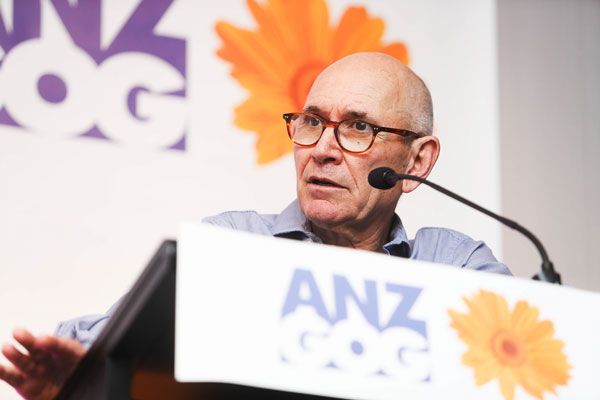
Prof Michael Friedlander AM, ANZGOG’s Co-Founder, Inaugural Chair, and Principal Investigator of the Symptom Benefit study.